





Mastering the Kitchen: The 4 Essential Dinks for 2026
In the rapidly evolving world of pickleball, the “soft game” at the kitchen line remains the ultimate differentiator between amateur and elite players. As we move into 2026, the game has become faster and more aggressive, requiring a versatile arsenal of dinks to maintain control. Based on the latest insights from tanner.pickleball, here are the four essential dinks every player needs to master to take their game to new heights.
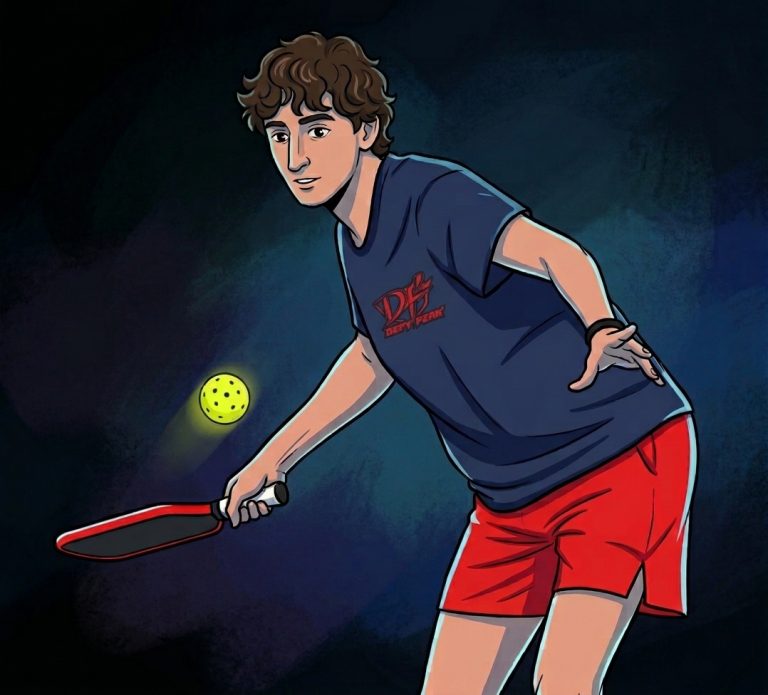
1. The Backhand Slice: Your Baseline Default
The one-handed backhand slice should be your “bread and butter” shot [00:16]. It is a passive, reliable way to extend rallies and keep the ball in play.
- The Secret to Success: Avoid “chopping” with your wrist. Instead, lay your wrist back to set the paddle angle and let the motion create the spin [01:34].
- Footwork Matters: Draw an imaginary line with your feet toward your target [01:00]. Standing “open” forces you to use only your arm, leading to a lack of control. By turning your body, you use your entire frame for stability.
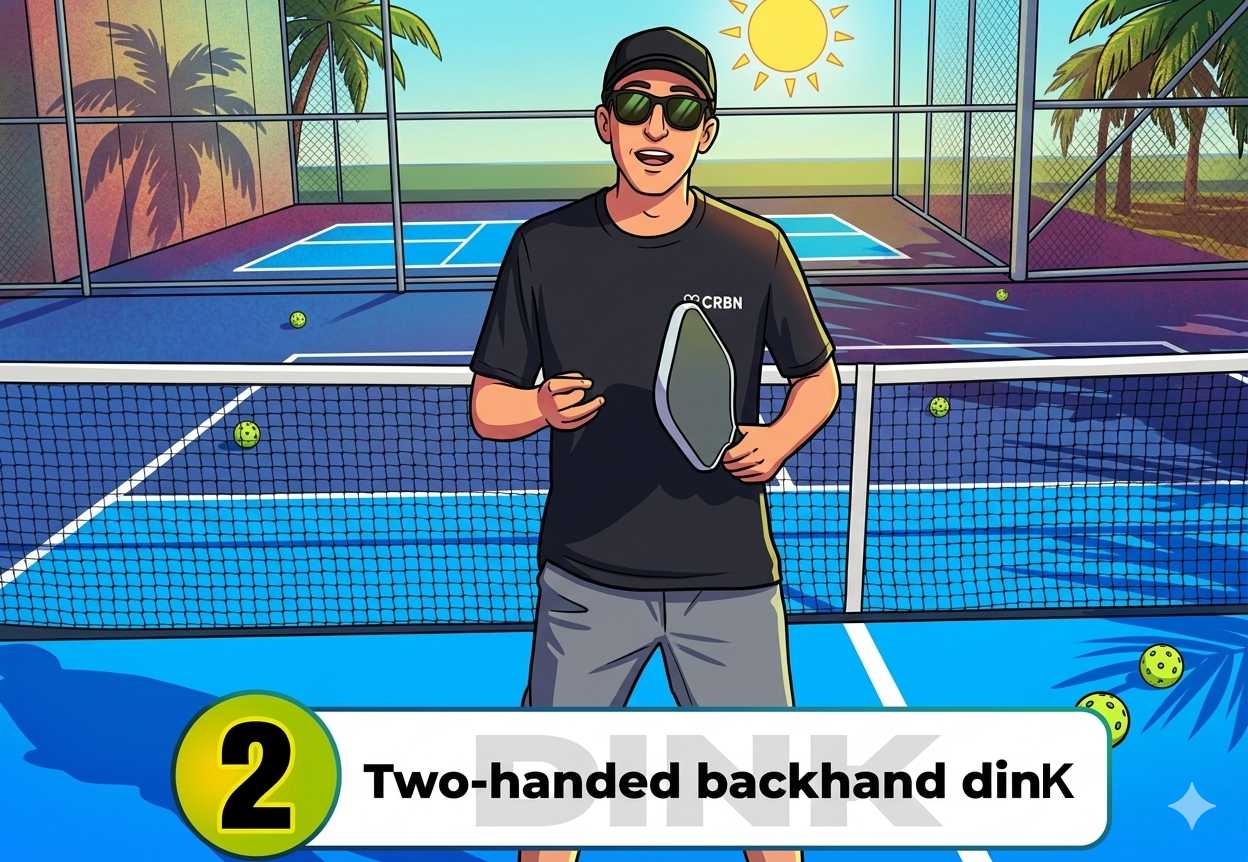
2. The Two-Handed Backhand: The Aggressive Threat
If you only slice, your opponents feel safe. Adding a second hand to your backhand dink transforms you into an immediate threat [02:04].
- Side Spin over Topspin: Many players struggle with this shot because they try to “flick” the ball for topspin, which often leads to inconsistent pop-ups. The pro tip is to use side spin by “cupping” around the ball [02:53].
- Get Low: This shot is significantly easier when you drop your center of gravity. Being upright almost guarantees the ball will find the net [04:11].
3. The Chip Volley: The Great Neutralizer
One of the newest additions to the modern game is the chip volley taken out of the air [04:29]. This is your primary weapon against opponents who hit aggressive topspin dinks.
- When to Use It: Don’t let an aggressive topspin dink bounce; if you do, it will push you off balance. As soon as you see your opponent “wind up” for a roll, lean in and chip the ball out of the air to neutralize their momentum [04:53].
- Form: Maintain a wide, stable base and a loose grip. Your goal is to slide the paddle under the ball without being overly aggressive [05:44].
4. The Volley Roll: Applying the Pressure
The opposite of the chip, the volley roll is used to apply pressure to opponents who are playing too passively [06:03].
- The “Hummingbird” Technique: When taking the ball out of the air, your wrist must remain completely locked [07:13]. Use your shoulder to drive the motion, similar to how a hummingbird pokes at a tree trunk—firm, precise, and controlled [07:29].
- The Strategy: Use this shot to take a low ball and roll it aggressively. This often forces a weak return from your opponent, giving you a higher ball that you can then put away for the win [06:44].
By integrating these four specialized dinks—the reliable slice, the threatening two-hander, the neutralizing chip, and the aggressive roll—you will have the tools necessary to dominate the kitchen line in 2026.