




Master the Slice: A Comprehensive Guide to Pickleball’s Secret Weapon
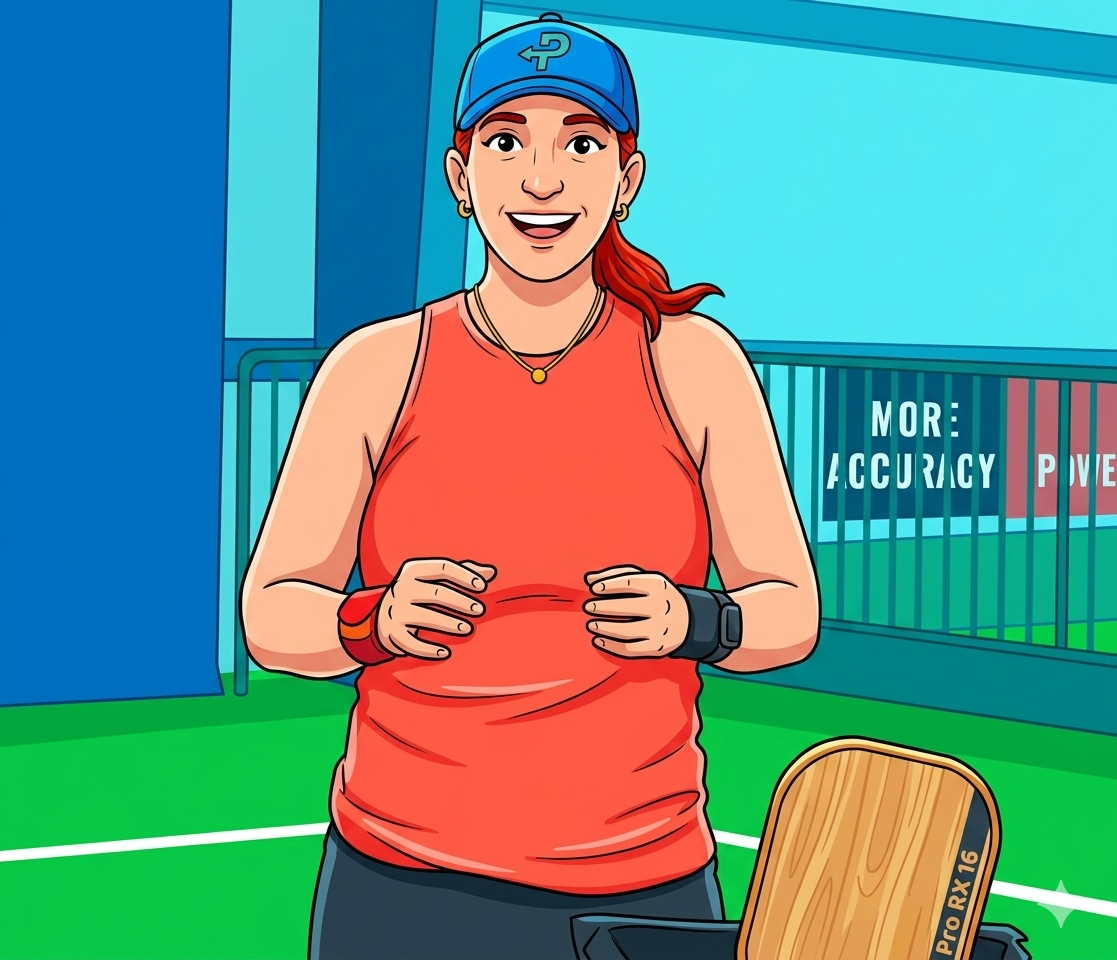
In the world of competitive pickleball, variety is often the difference between a good player and a great one. While many players rely heavily on power or topspin, mastering the slice—or backspin—can add a layer of complexity to your game that keeps opponents off-balance. Mari Humberg, a seasoned player and instructor, breaks down the fundamentals of this essential technique, debunking common myths and providing a roadmap for success.
The Foundation: It’s Not in the Wrist
The most prevalent misconception about slicing is that the spin is generated by a flick of the wrist. In reality, a successful slice comes from a stable wrist and an open paddle face. By hitting through the ball with the paddle tilted slightly upward, you “cut” the ball to create backspin. If your shots are hitting the net, the solution isn’t more wrist; it’s simply opening your paddle face a bit more. Conversely, if the ball is popping up too high, you need to close the face slightly.
Finding Your “Sweet Spot”
Success with the slice is heavily dependent on spacing. Slicing becomes significantly more difficult if the ball is too far in front of you or cramped too close to your body. The ideal contact point is in a “comfort zone” slightly in front of the body where the shoulder and elbow can move naturally. This positioning allows for a cleaner strike and better control over the ball’s trajectory.
Implementing the Slice Across the Court
The beauty of the slice is its versatility. It can be applied to nearly every shot in a match:
- The Serve: Since you have full control over the toss, ensure the ball is placed exactly in your comfort zone to start the point with a tricky, low-skidding spin.
- The Return: A slice return is particularly effective because it allows your body weight to naturally transfer forward, making it easier to transition quickly to the kitchen line.
- The Reset: When you’re under pressure, a slice reset can be a lifesaver. By keeping your elbow tucked and pushing the ball with an open face, you can neutralize an opponent’s power and drop the ball safely into the kitchen.
- The Dink: The slice dink is an aggressive tool. With a locked wrist and a precise follow-through, you can create a dink that stays low and forces your opponent to hit upward, giving you the advantage.
Strategic Versatility
While you don’t need to slice every single shot, adding it to your repertoire is vital. Some players find backspin difficult to handle, while others may thrive on it; regardless, having the option to change the pace and spin of the ball ensures you remain an unpredictable and formidable opponent. By focusing on a stable wrist, proper spacing, and paddle angles, you can transform the slice from a decorative shot into a cornerstone of your pickleball strategy.